
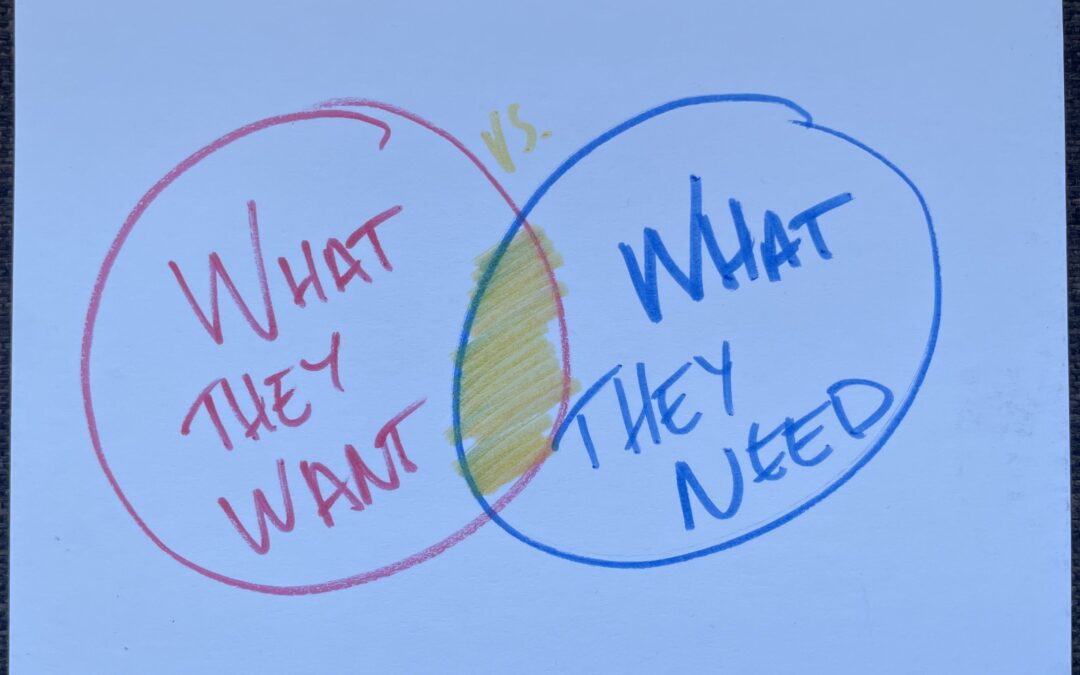
As a strategic communications consultant with 20+ years of experience working with nonprofits, sports organizations, and media companies, I’ve noticed a pattern: clients often arrive knowing they need help but uncertain about the right solution. Here are the three most common requests I receive—and what typically works better.
The customer is always right—or so the saying goes. As a strategic communications consultant, I’ve learned that while clients know their challenges intimately, they don’t always know the best path forward. That’s why strategic communications partners exist.
I work with clients of all sizes and industries, and it’s common for leaders to have expectations misaligned with their current resources. My approach is partnership: clients bring expertise in their challenges, I bring skill in designing right-sized solutions that actually fit their capacity.
The biggest obstacle? Clients who arrive with a solution in search of a problem. I focus on defining the challenge first, then uncovering the right solution—which is often entirely different from what they expected.
Here are the top three requests I receive, and what usually works better:
#1: Strategic Communications Branding: Beyond the Full Rebrand
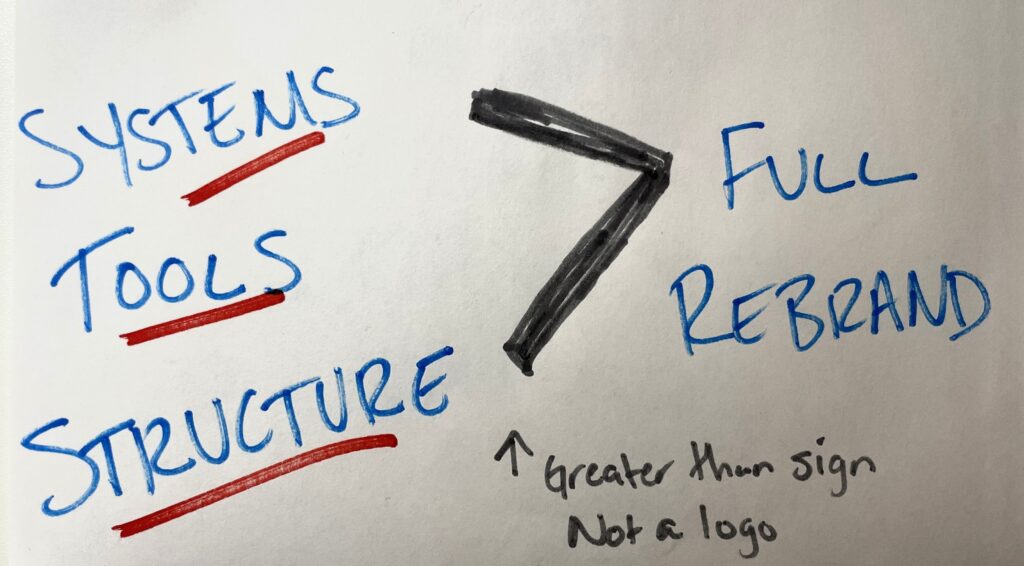
Clients Want: A Full Rebrand
Sure, some organizations do need a full rebrand (look at these bad logos, for example). But in most cases, a full rebrand won’t fix the upstream problems that contribute to “bad branding”.
Clients Need: Branding Tools & Systems for Consistency
A brand is more than visuals, it’s the feeling people get when they think about your business. That’s why consistency is so critical in good branding. You can’t control a feeling, but you can control how you show up, where, and why. Most companies need branding tools and systems that support consistent brand expression. That might look like:
- A brand guide
- A publications and/or style guide
- Standard email signature templates
- Presentation design templates
- Process for communications review
- A strategic communications plan
My favorite saying is that “structure will set you free”. These tools should empower employees, not restrict them. Think of brand guidelines as guardrails, not handcuffs. Branding tools define the colors, fonts, and voice, then let employees create within that framework. By providing this type of structure, you’ll take the guesswork out of branding and let your employees focus on their areas of strength.
Key Takeaway: Before investing in a full rebrand, audit your current brand application. Most organizations need systems, tools, and structure, not new logos.
#2: Content Marketing Strategy: Why Consistency Beats Virality
Clients Want: Viral Campaigns
Since the advent of social media, everyone has been chasing viral campaigns. The appeal is obvious. Who doesn’t want that kind of reach? Consider the ALS Ice Bucket Challenge, which raised over $220 million globally in 2014. While it appeared spontaneous, sustaining the momentum required significant strategic coordination.
Clients Need: Steady Delivery of Good Content (as part of Strategic Communications Plan)
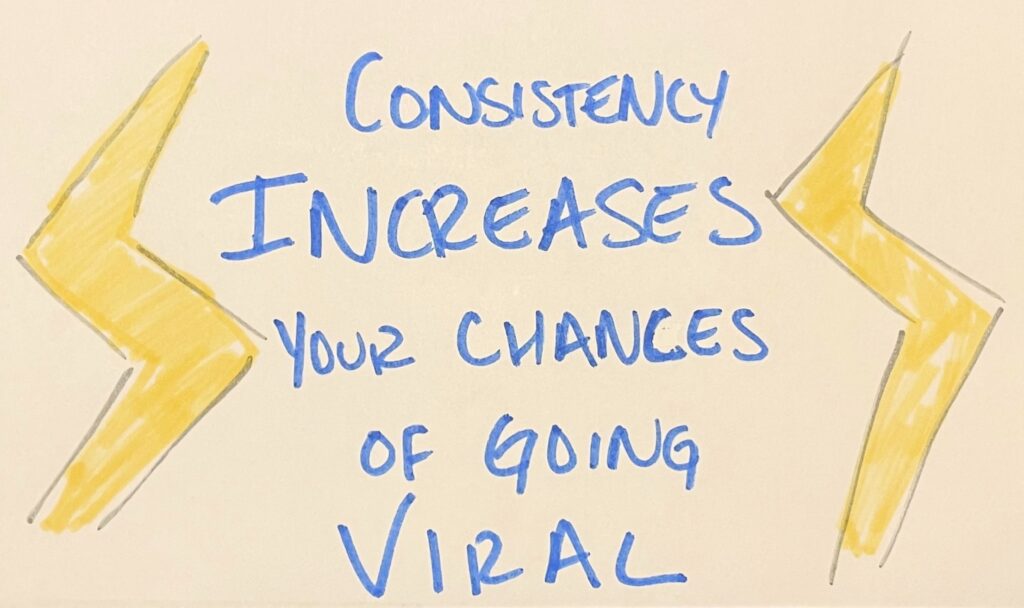
A viral campaign is lightning. The chances of being struck are low. While you cannot predict virality, you can create conditions that make it more likely. In my experience, the best path to any virality is through consistent, strategic effort. Those efforts include:
- Building a culture of storytelling
- Strategic communications messaging framework
- A strategic marketing plan that aligns with your communications plan
- Clear customer personas, giving you shortcuts to understanding your audiences and their motivations
- A communications calendar
- A plan for growing your newsletter subscribers
- Content that is optimized for search engines and Artificial Intelligence (SEO/AIO/GEO)
To increase your odds, invest in your owned media channels, like your website and newsletters. Create content that adds value for people, and do it consistently, sharing across channels at a regular cadence. Seek to authentically engage with your customers, not just sell products. Social media algorithms change constantly, and your presence there is never guaranteed. The more people want to come to you because you bring value to their lives, the higher your chances of striking gold.
Key Takeaway: Viral campaigns are unpredictable lightning strikes. Build sustainable growth by investing in owned media channels, creating consistent value-driven content, and engaging authentically with your audience.
#3: Technology Strategy for Communications Teams: Right-Sized Solutions
Clients Want: Expensive Technology Solutions
It’s easy to view new technology as the fix to everything. But most companies overestimate their technological needs when shopping and underestimate the time investment for adoption when purchasing.
Clients Need: Informed, Cross-Functional IT Strategy & Policies
Most businesses need a website. Many companies also need a solid customer relationship management (CRM) system plus an email service provider (ESP), ideally one that integrates with the CRM. But, most companies are overpaying for highly-sophisticated, extremely-customizable software that they have neither the skills nor capacity to use effectively. I’ve seen it take years for companies to fully adopt a new CRM. While I’m not a technology expert, as a communications professional I regularly help organizations think through how technology supports their goals. These types of solutions can be more helpful than a full technology overhaul:
- Prioritize simple solutions first
- Create policies that support clear technology usage
- Build an IT strategy plan
- Invest in professional development for your technology tools
- Include IT infrastructure mapping in employee onboarding
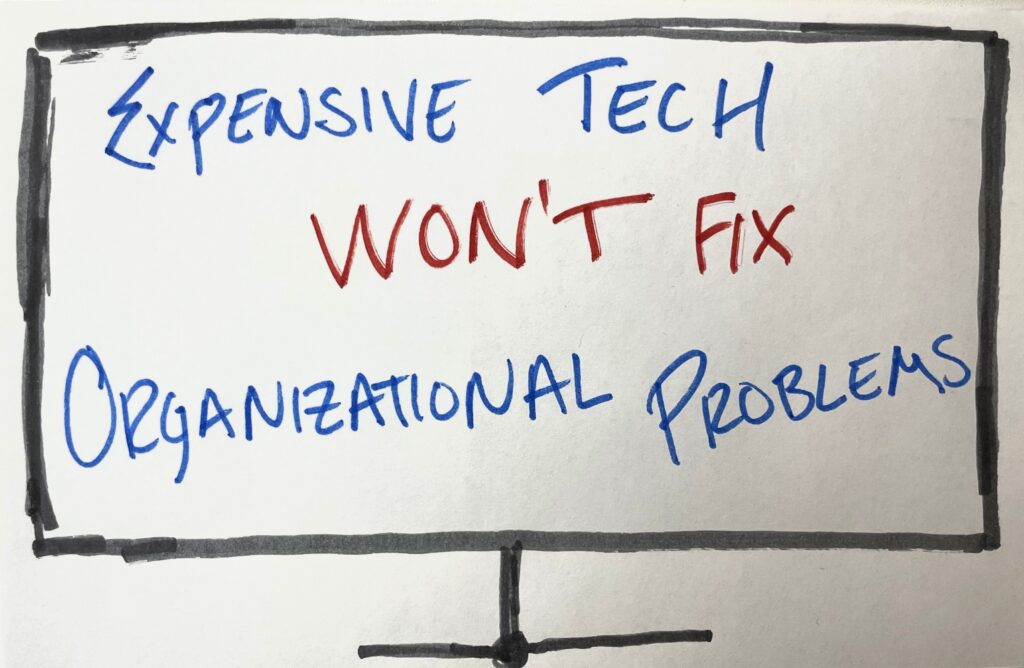
Unless you’re doing a full rebuild of your IT infrastructure, it’s better to focus on internal capacity before tackling a new solution. Having the right organizational culture in place to support the change will be just as important as the solution you choose. When you do decide to make a change, you’ll be better equipped to understand where adoption will be easy and where you’ll face resistance.
Key Takeaway: Expensive technology won’t fix organizational problems. Focus on maximizing your current tools through training and clear policies before investing in new solutions.
Through over 20 years in nonprofit, sports, and media, I’ve learned that the best solutions often look different from what clients initially imagine. My sweet spot is working with 5-50 person companies to design strategy, develop content, and build processes that actually fit their capacity and goals. The right solution isn’t always the shiniest one—it’s the one that works. If you’re a 5-50 person organization looking for strategic communications support that fits your actual capacity and goals, let’s talk.


